Reconstructive · Hand
Polydactyly
Surgical removal of extra digits with preservation of function and cosmetic appearance of remaining fingers.
What it is
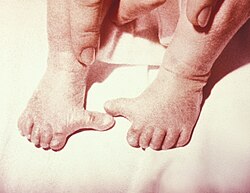
Polydactyly means having an extra finger or toe, which is usually present from birth. Surgery removes the extra digit and may reshape the remaining finger, joint or tendon so the hand works and looks as balanced as possible.
Who it’s for
- Children born with an extra finger or thumb
- Children whose extra digit affects hand function or fit of gloves and shoes
- Older children or adults with an untreated extra digit
- Surgery is often planned in early childhood, usually within the first year or two
How it’s done
-
Step 01
Surgery is usually done under general anaesthesia in children.
-
Step 02
The extra digit and its connections to bone, tendon and joint are assessed.
-
Step 03
The extra digit is removed, preserving nerves and blood vessels of the remaining finger.
-
Step 04
Ligaments or tendons may be rebalanced to support the remaining digit.
-
Step 05
The skin is closed with stitches and the hand is dressed, sometimes with a splint.
Recovery time
Dressings are usually kept on for about 2 weeks, and most children return to normal play within a few weeks. Your surgeon will advise based on your child's assessment.
Results
The hand usually looks more balanced after healing, and scars fade over months. In more complex cases, some stiffness or difference in the remaining digit can persist, and follow-up is advised as the child grows.
Results vary from person to person.
Questions about Polydactyly
-
This depends on the type of extra digit. Your surgeon will assess whether surgical removal is advised for a neater, more reliable result.
-
Many children have good hand use after surgery, but this depends on how complex the extra digit is. Your surgeon will discuss this.
-
A small scar is expected and is placed to be as inconspicuous as possible. It usually fades over months.
Results vary from person to person. The information on this website is for general education and is not a substitute for a personal consultation. Procedures carry risks, which will be discussed with you before any treatment. Page copy pending medical review