Reconstructive · Face & Head
Eyebrow Transplantation
Hair follicle transplantation to restore natural eyebrow density and shape for facial symmetry.
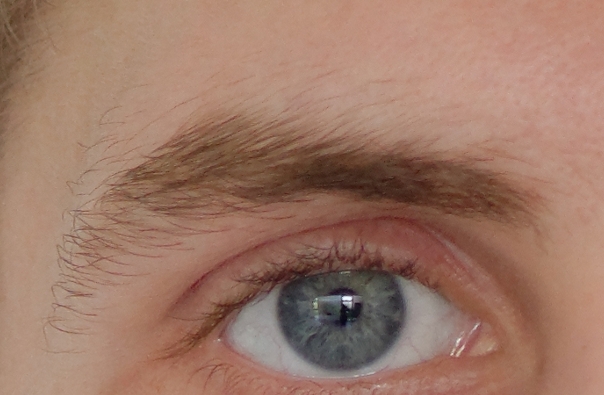
What it is
Eyebrow transplantation moves individual hair follicles, usually from the back of the scalp, into the eyebrows. It aims to restore density and shape to eyebrows that are thin, patchy or lost.
Who it’s for
- People with thin eyebrows from over-plucking or ageing
- Those with eyebrow loss from scars, burns or injury
- People with patchy or uneven eyebrows
- Those whose eyebrow loss is from a stable cause, assessed by the doctor
How it’s done
-
Step 01
The procedure is usually done under local anaesthesia.
-
Step 02
The new eyebrow shape is designed and marked with you.
-
Step 03
Follicles are taken from the donor area, usually the back of the scalp.
-
Step 04
Each follicle is placed at a low, flat angle to match natural brow direction.
-
Step 05
The donor area is dressed and aftercare instructions are given.
Recovery time
Small crusts usually settle within about 1 week, and most people return to work within a few days. Your surgeon will advise based on your assessment.
Results
Transplanted hairs usually shed in the first weeks, with new growth typically starting at around 3–4 months and developing over about a year. Because the hairs come from the scalp, they often need regular trimming.
Results vary from person to person.
Questions about Eyebrow Transplantation
-
Usually yes. Scalp hair keeps growing longer than natural brow hair, so regular trimming is common.
-
The aim is a natural look by matching angle and direction, but results depend on your donor hair and healing.
-
Cost depends on the number of grafts needed. It is discussed at consultation.
Results vary from person to person. The information on this website is for general education and is not a substitute for a personal consultation. Procedures carry risks, which will be discussed with you before any treatment. Page copy pending medical review