Reconstructive · Ear
Ear Keloids
Treatment of hypertrophic scars on ears through excision, steroid injection, and radiation therapy.
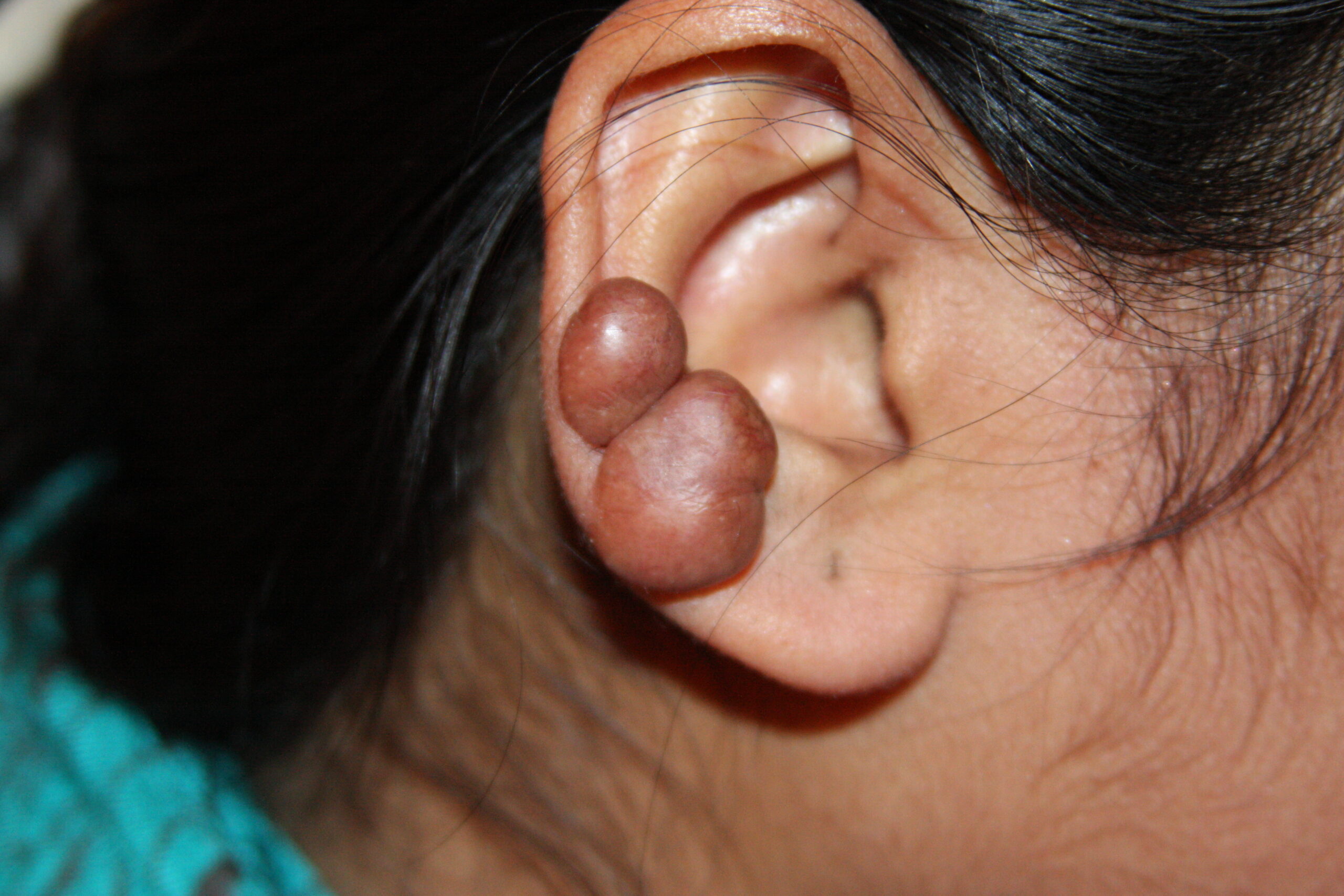
What it is
Ear keloids are raised, firm scars that grow beyond the original wound, often after ear piercing. Because keloids tend to come back after removal alone, treatment usually combines surgical excision with steroid injections and, in selected cases, radiation therapy.
Who it’s for
- People with a raised scar or lump on the ear, often after piercing
- Those whose keloid is growing, itchy, painful or bothersome in appearance
- People whose keloid has returned after previous treatment
- Those prone to keloids who are willing to follow up for several months
How it’s done
-
Step 01
Small keloids may be treated first with steroid injections over several sessions.
-
Step 02
For larger keloids, removal is usually done under local anaesthesia.
-
Step 03
The keloid is cut out carefully and the skin is closed with fine stitches.
-
Step 04
Steroid injections are often given into the wound edges after surgery.
-
Step 05
In selected recurrent cases, a short course of radiation therapy may be arranged soon after excision.
Recovery time
Most people return to normal activities within a day or two, and follow-up injections are usually spaced a few weeks apart. Your surgeon will advise based on your assessment.
Results
The scar usually becomes flatter and less noticeable over months. Keloids can still recur, so regular follow-up is advised and further treatment may be needed.
Results vary from person to person.
Questions about Ear Keloids
-
Keloids can recur even after treatment. Combining excision with injections or, in selected cases, radiation therapy aims to reduce this risk.
-
No. It is usually considered only for selected, often recurrent, keloids. Your surgeon will discuss whether it is suitable for you.
-
People prone to keloids are often advised to avoid further piercing. Discuss this with your surgeon.
Results vary from person to person. The information on this website is for general education and is not a substitute for a personal consultation. Procedures carry risks, which will be discussed with you before any treatment. Page copy pending medical review